.png)
How Flype’s Model is the Future of Urban Logistics in Cities and Suburban Areas
As commerce continues to grow, so does the demand for faster, more efficient delivery services. Flype’s unique last-mile delivery model is not only meeting this demand but also reshaping the future of urban logistics, particularly in densely populated cities and sprawling suburban areas.
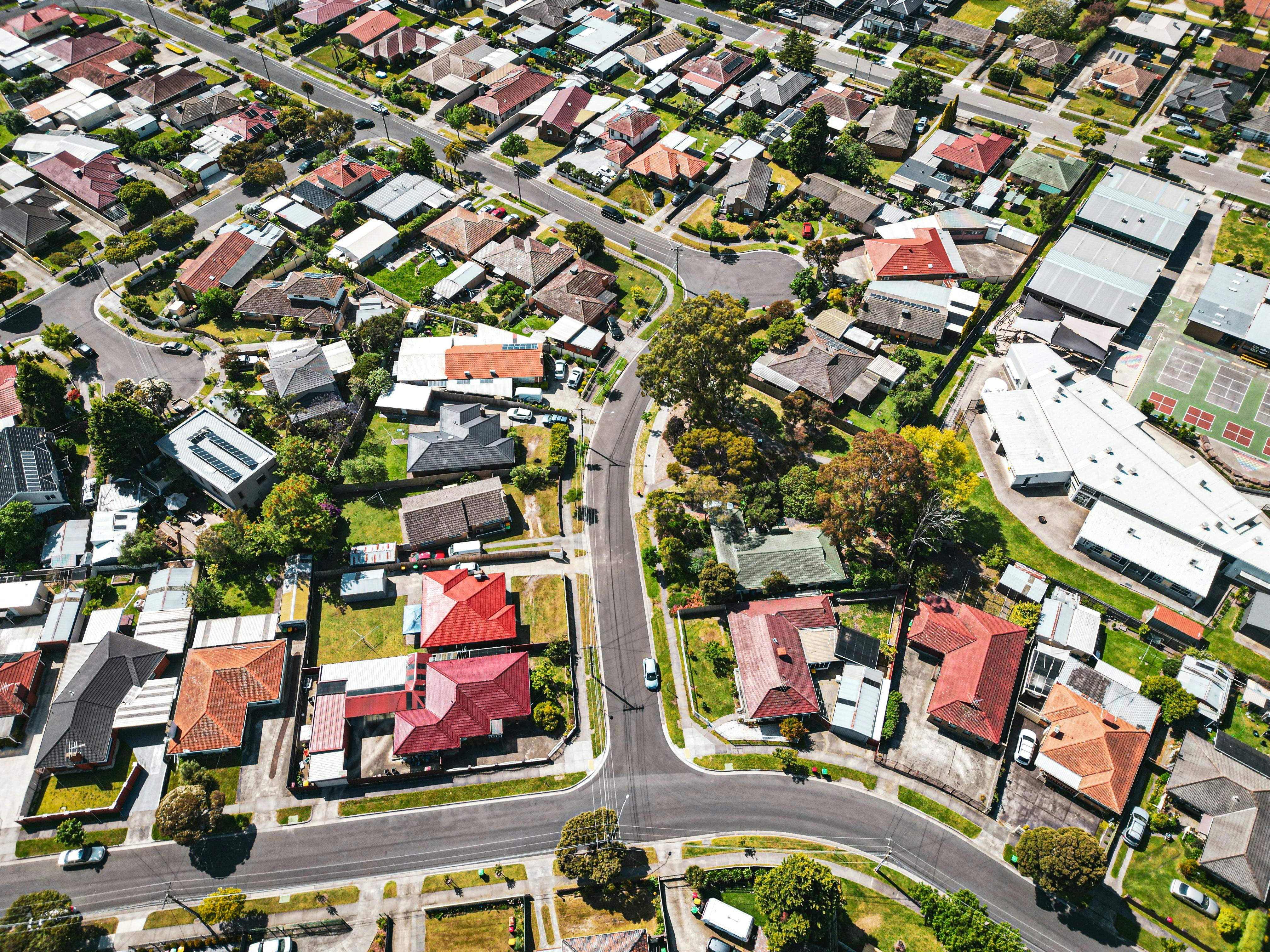
1. Urban Delivery Challenges: The Need for Innovation
Urban logistics faces numerous challenges, especially in bustling metropolitan areas. Congested streets, limited parking, and the increasing volume of e-commerce orders make it difficult for traditional delivery services to meet the demand for speed and cost-effectiveness. However, Flype’s model addresses these challenges with smart solutions.
In cities like New York, where over 8 million people live within a 9-mile radius, the density of the population creates both an opportunity and a logistical headache. Flype thrives in this environment by utilizing cutting-edge route optimization algorithms that ensure timely deliveries while reducing inefficiencies in traditional systems. The focus is on making same-day and next-day deliveries affordable, something that Amazon and other logistics giants have struggled to scale effectively for smaller retailers.
2. Flype’s Hyper-Localized Approach: Optimizing for Density
Flype’s strategy of focusing on hyper-localized delivery areas, such as NYC and California, allows for optimal resource use. In cities and suburbs, where e-commerce demand is high, Flype can reduce its operating costs by serving specific, high-density zones. Instead of delivering across broad regions, which would increase costs and time, Flype strategically picks up and delivers orders from nearby stores or fulfillment centers.
This model also benefits suburban areas, which historically have faced delays in receiving same-day or next-day deliveries. By operating in suburban zones, Flype ensures faster delivery times even in less densely populated areas, proving that rapid delivery doesn’t have to be exclusive to city centers.
3. Faster and More Affordable Than Traditional Delivery Methods
Traditional shipping models typically offer two choices: standard, slow delivery or costly express services. This leaves consumers stuck between choosing lower costs with longer waits or paying a premium for speed. Flype disrupts this by offering same-day and next-day delivery at a price point comparable to standard shipping.
In urban areas, where time is often a premium commodity, customers expect swift deliveries. Flype’s affordable same-day delivery option empowers e-commerce businesses, especially small and medium-sized retailers, to offer a competitive advantage without the burden of high shipping fees. This is a game-changer for businesses trying to keep up with giants like Amazon.
4. Technology as the Backbone of Flype’s Success
The backbone of Flype’s success in urban logistics lies in its sophisticated technology platform. Flype’s route optimization algorithms and real-time delivery tracking allow the company to make on-the-fly adjustments, ensuring that every order is delivered within a 20-minute window. This technological advantage not only enhances the customer experience but also drives efficiency by minimizing wasted time and reducing the environmental impact of excessive miles driven.
For drivers, Flype’s platform offers steady work and improved conditions. With guaranteed minimum pay and route planning that ensures drivers aren’t hopping between multiple apps to find work, Flype is revolutionizing the gig economy by offering reliability and better compensation.
5. Adapting to Different Delivery Environments
Flype’s flexibility isn’t limited to urban areas—its model is also highly adaptable for suburban regions. In areas like the Bay Area, where Flype launched its public beta, the company proved that the same rapid delivery solutions could work in less densely populated areas. The key difference is the lower volume of deliveries per square mile, which is offset by Flype’s efficient platform and well-planned distribution hubs.
By partnering with local convenience stores, grocery stores, and even installing Flype lockers, the company is setting up efficient delivery points that ensure better delivery options for suburban customers. As Flype expands its operations, it will continue to optimize its model to cater to a broader range of urban and suburban environments.
6. Flype’s Vision for the Future: Expanding to More Cities
Flype’s success in New York and California sets the stage for further expansion into other high-demand, high-density regions. With a focus on urban and suburban logistics, the company plans to continue optimizing its platform and improving its operational efficiency. Flype’s future growth will involve scaling its model to other major metropolitan areas and suburban hubs across the United States, proving that affordable, same-next day delivery is achievable regardless of location.


